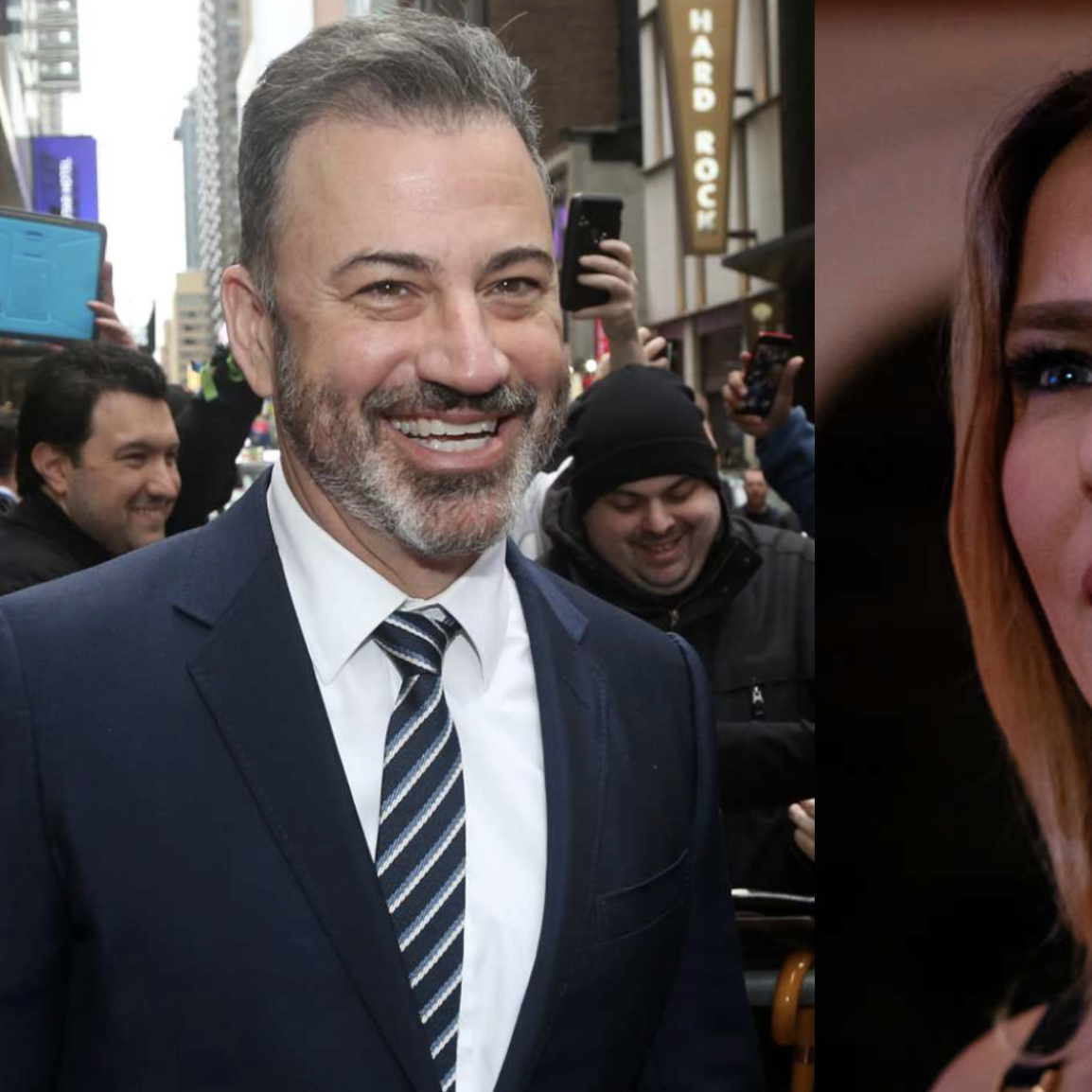
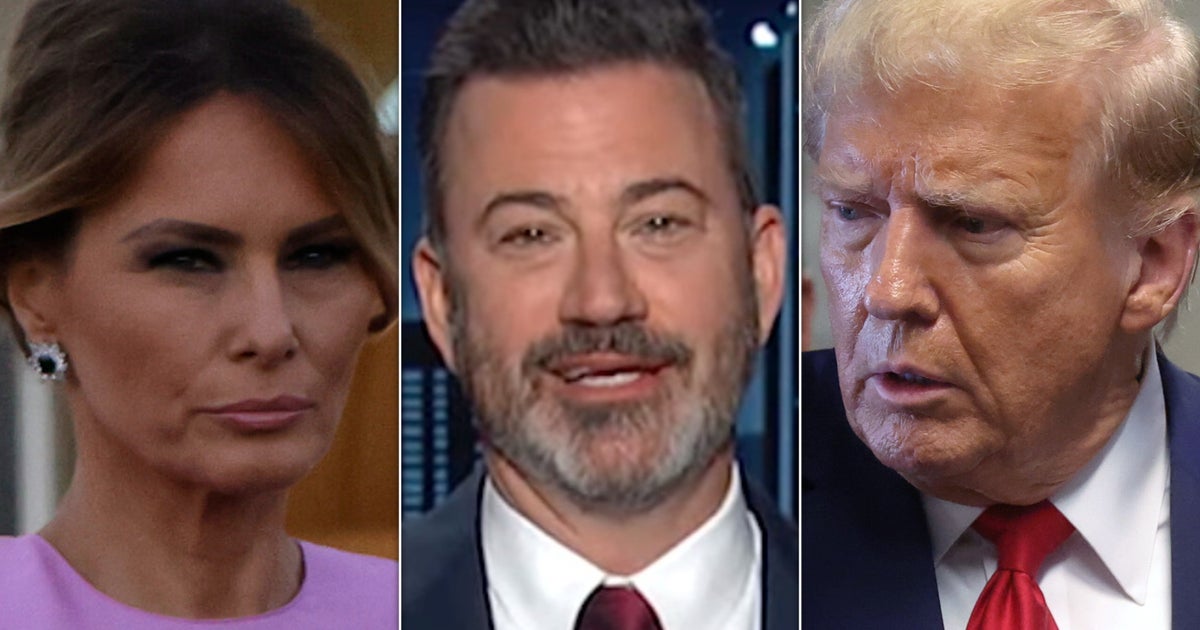
Late-night comedy has always danced on the edge of controversy, but few moments reignite old fires like Jimmy Kimmel’s recurring jokes about Melania Trump—particularly one targeting her age, twisted into something far darker by public perception. When Kimmel recently repeated a punchline referencing Melania as an “expectant widow,” he didn’t just recycle old material—he reignited scrutiny over intent, context, and whether comedians can control how their jokes land.
The backlash wasn’t new. But the reemergence of the quip, paired with Kimmel’s insistence that it was always about the age gap between Melania and Donald Trump, forces a deeper look at how satire functions in the age of viral outrage.
The Joke That Won’t Die
The original joke surfaced during a 2017 monologue. Kimmel, hosting Jimmy Kimmel Live!, mocked Donald Trump’s age and health with a running gag suggesting Melania might soon become an “expectant widow.” On its surface, the line leaned into standard political humor—poking fun at the president’s age. But it quickly spiraled beyond that.
The phrase “expectant widow” carries emotional weight. It evokes grief, loss, anticipation of mourning—hardly typical fodder for a punchline. When married to Melania’s name, it felt personal, even cruel. Critics argued it didn’t mock Trump; it targeted his wife, reducing her to a cold, waiting mourner.
And when Kimmel repeated it—years later, on air, with a smirk—the internet exploded again.
Was it a lapse in judgment? A deliberate provocation? Or simply a comedian clinging to a bit that once got a laugh?
Why This Joke Crossed a Line
Comedy thrives on discomfort. But there’s a difference between edgy and exploitative.
The “expectant widow” line didn’t just tease Donald Trump’s age—it projected a traumatic future onto Melania. That shift in focus matters. While presidents have long been fair game, spouses, especially those who maintain political neutrality, occupy a different space.
Consider the precedent: - When Kimmel joked about George W. Bush’s intelligence, the target was clear: the sitting president. - When he mocked Sarah Palin’s credentials, the joke was rooted in her public role. - But Melania Trump has largely avoided the spotlight. Her public persona is private by design.
By casting her as an “expectant widow,” Kimmel stepped out of political satire and into speculative personal tragedy. That’s where the ethical line blurs.
Audiences don’t just hear the joke—they imagine the recipient. And in this case, the recipient is a woman whose life has been under public scrutiny since 2016, often unfairly.
Kimmel’s Defense: It Was About the Age Gap
Kimmel has repeatedly defended the joke, insisting it was never about Melania’s emotional state or a literal prediction of Donald Trump’s death.
“It was a joke about the age difference,” he said in a follow-up segment. “People took it further than I ever intended.”
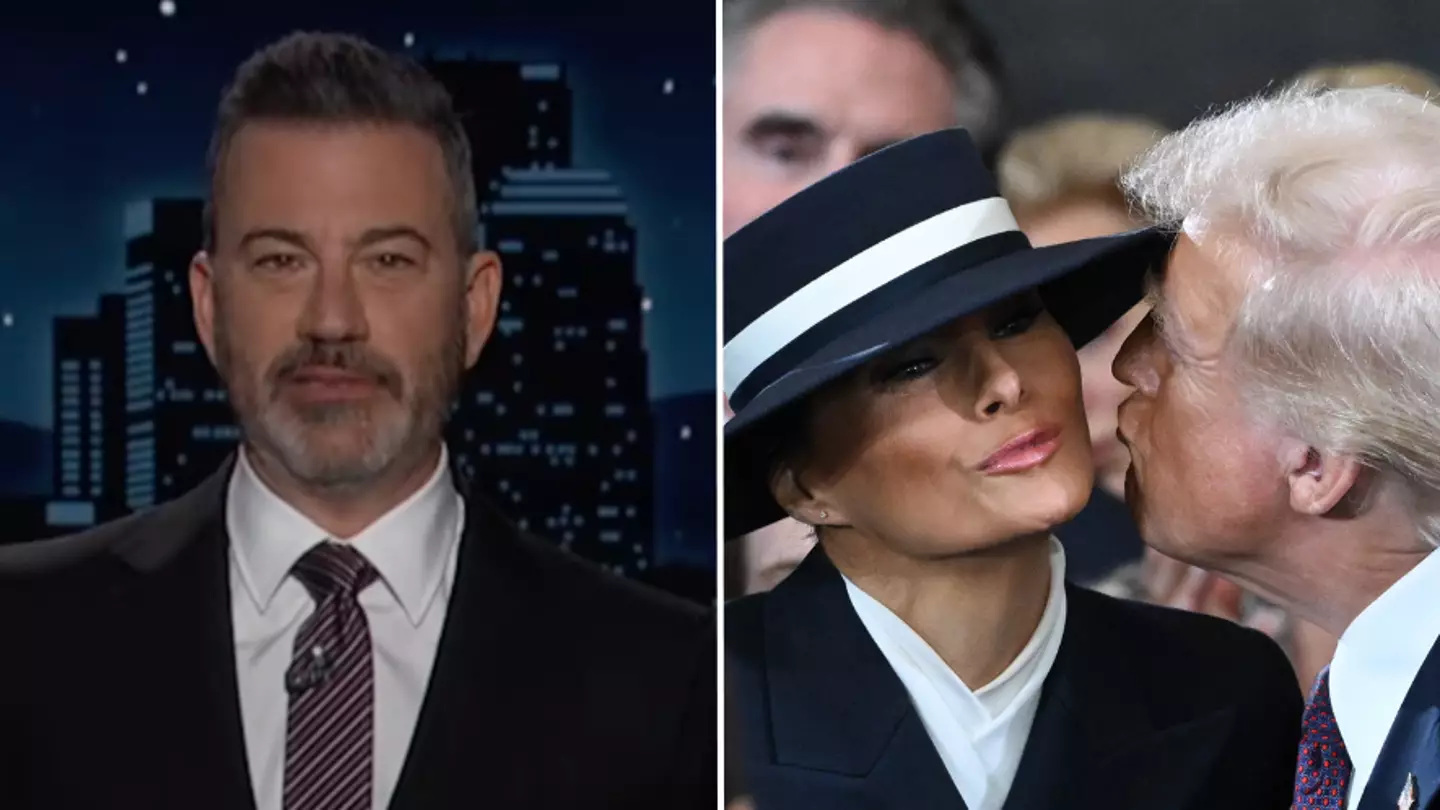
And technically, he’s not wrong. The setup usually includes lines like: - “At his age, every cough sounds like a eulogy.” - “Melania’s already picked out her black dress.” - “She’s not pregnant—she’s just expecting widowhood.”
The humor, Kimmel argues, lies in exaggeration: the idea that Melania is so much younger, she’s practically planning her life as a widow.
But intent doesn’t always dictate impact.
Language is loaded. “Expectant widow” isn’t neutral. It implies anticipation, preparation, emotional labor around loss. It’s not just a throwaway line—it conjures imagery.
And once that image is out, the comedian loses control.
How Context Shapes Comedy
Comedy doesn’t exist in a vacuum. A joke told in 2017 lands differently than the same joke in 2024.
Back in 2017, the Trump administration was new, chaotic, and constantly in crisis. Late-night hosts treated Trump like a reality TV villain—absurd, unpredictable, eminently mockable. Jokes were fast, furious, and often personal.
But as the years passed, the tone shifted. Trump survived impeachment, a pandemic, an election loss, and a Capitol riot. Melania remained largely silent, focusing on initiatives like “Be Best.”
In that context, revisiting the “expectant widow” joke feels less like satire and more like a cheap shot at someone who’s chosen not to engage.
Even longtime Kimmel fans have questioned the repeat. “We get it—he’s old,” one viewer tweeted. “Why keep dragging her into it?”
The deeper issue? Comedians often rely on recurring bits. But when the subject is a real person enduring real scrutiny, repetition can feel like harassment.
The Fine Line Between Satire and Bullying
Satire holds power to account. It exposes hypocrisy, punctures ego, and challenges authority.
But when the target isn’t the powerful figure but their spouse—someone with limited agency in the public eye—the dynamic changes.
Melania Trump didn’t run for office. She didn’t campaign. She didn’t sign up for daily mockery.
Yet she’s been subjected to relentless commentary: her accent, her fashion, her parenting, her silence.
Kimmel’s joke fits into that larger pattern—a culture that feels entitled to comment on every aspect of a woman’s life simply because she married a politician.
Compare this to jokes about Jill Biden. While she’s also faced criticism, the mockery often targets her doctorate or public role. The difference? She chose visibility. Melania did not.
When comedians ignore that distinction, they risk crossing from satire into bullying.
Can Comedians Control Their Jokes?
Kimmel claims the “expectant widow” joke was misunderstood. But can a comedian truly dictate how a joke is received?
In the age of social media, probably not.
A joke delivered on national TV lives forever in clips, tweets, and TikTok edits. The context—tone, facial expression, preceding lines—gets stripped away. All that remains is the most shocking line.
So when Kimmel says, “It was about the age gap,” millions hear: “I made a joke about a woman mourning her husband, and now I’m saying you took it wrong.”
That’s not how communication works anymore.
The responsibility isn’t just on the audience to “get the joke.” It’s on the comedian to anticipate how it will be received—especially when dealing with sensitive topics like death, grief, or personal relationships.
And in this case, the risk outweighed the reward.
The Cost of Repeating Edgy Material
Comedians need material. They need laughs. And sometimes, that means revisiting old jokes.
But there’s a cost to recycling bits that have already caused offense.
- Audience erosion: Fans who once found Kimmel sharp and insightful may now see him as lazy or insensitive.
- Brand damage: Jimmy Kimmel Live! has long positioned itself as smart, progressive comedy. Jokes like this undermine that image.
- Normalization: The more a joke is repeated, the more it feels acceptable—even if it wasn’t the first time.
There’s also the human cost. Melania Trump may not respond publicly, but that doesn’t mean the jokes don’t land. Public figures are still people.
And while free speech protects Kimmel’s right to tell the joke, it doesn’t shield him from criticism.
What This Means for Late-Night Comedy
The Kimmel-Melania controversy isn’t just about one joke. It’s about the evolving rules of comedy in a hyperconnected world.
Late-night hosts once operated with relative impunity. Now, every monologue is dissected, tweeted, and judged in real time.
That doesn’t mean comedians should self-censor. But it does mean they need to be more thoughtful about targets, timing, and tone.
The best political comedy doesn’t just punch up—it makes a point. It exposes truth, reveals hypocrisy, or challenges power.
The “expectant widow” joke? It mostly just made Melania Trump look like a pawn in a larger game.
And in 2024, audiences are starting to ask: Is that still funny?
How Comedians Can Navigate Sensitive Topics For writers and performers, this moment offers a roadmap for handling volatile material:
- Ask: Who benefits from this joke?
- If the only winner is the comedian, reconsider.
- Check the power dynamic.
- Punching up means targeting authority. Punching sideways—or down—rarely ages well.
- Test the joke outside the writers’ room.
- What gets a laugh in private might bomb—or backfire—on stage.
- Know when to retire a bit.
- Some jokes have a shelf life. Respect it.
- Acknowledge backlash without deflection.
- “You took it wrong” isn’t a defense. It’s a dismissal.
Comedy can be provocative. It should challenge. But it shouldn’t rely on the suffering—or imagined suffering—of others to get a laugh.
Final Thoughts: Laughter, Limits, and Responsibility
Jimmy Kimmel is a skilled comedian. His show has delivered memorable moments, emotional monologues, and genuine social commentary.
But the “expectant widow” joke—repeated, defended, and minimized—reveals a blind spot.
It’s not about whether Melania Trump is “too sensitive.” It’s about whether the joke adds anything beyond shock value.
In an era where public figures are already dehumanized, comedians have a responsibility to ask: Are we making fun of power—or just adding to the noise?
The answer might determine not just the future of late-night, but the soul of satire itself.
For audiences, the takeaway is clear: Hold comedians to a higher standard. Demand better. Not because we want humor sanitized—but because we deserve comedy that’s smart, sharp, and truly fearless.
FAQ
What should you look for in Jimmy Kimmel’s Melania Trump Joke Sparks Backlash? Focus on relevance, practical value, and how well the solution matches real user intent.
Is Jimmy Kimmel’s Melania Trump Joke Sparks Backlash suitable for beginners? That depends on the workflow, but a clear step-by-step approach usually makes it easier to start.
How do you compare options around Jimmy Kimmel’s Melania Trump Joke Sparks Backlash? Compare features, trust signals, limitations, pricing, and ease of implementation.
What mistakes should you avoid? Avoid generic choices, weak validation, and decisions based only on marketing claims.
What is the next best step? Shortlist the most relevant options, validate them quickly, and refine from real-world results.