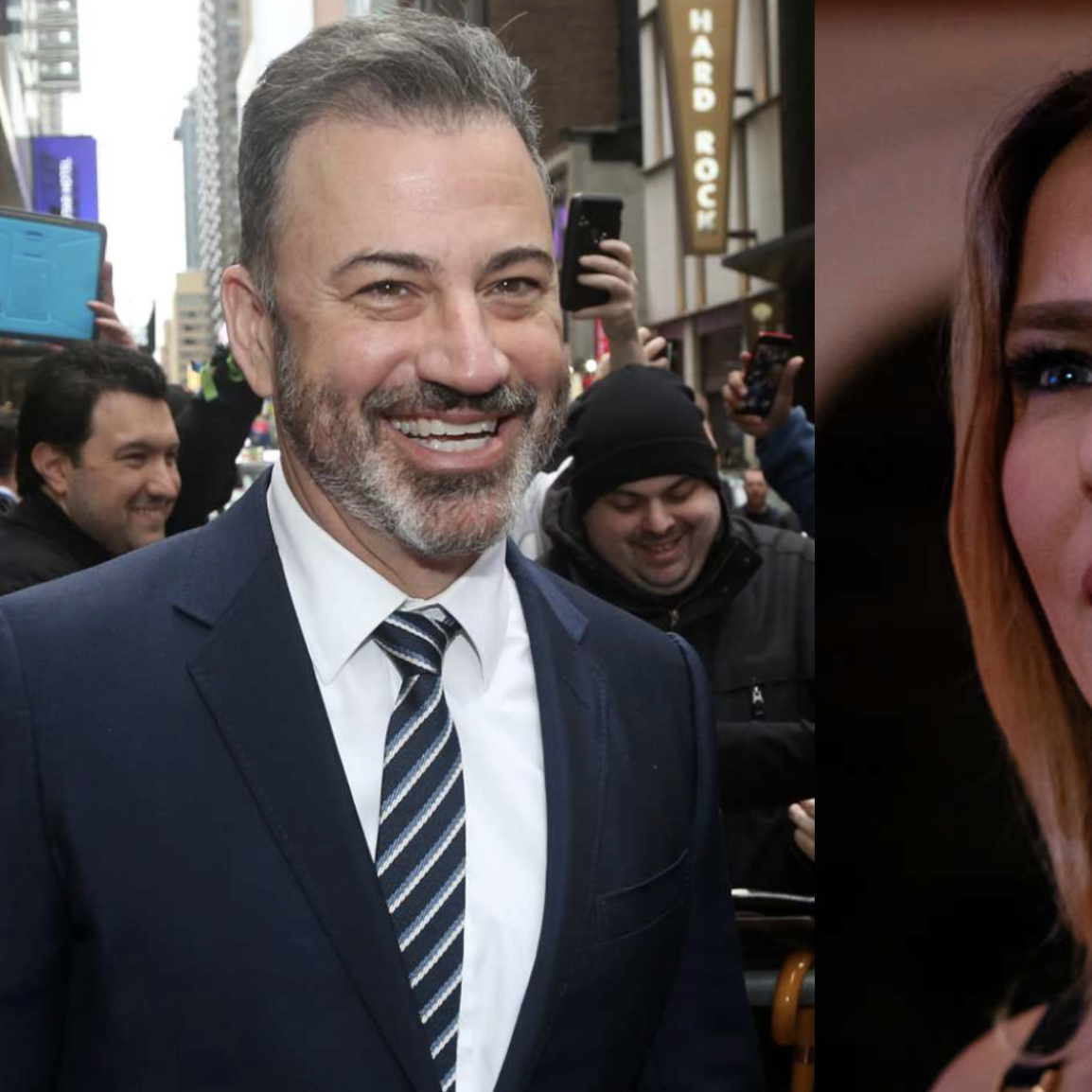
Hollywood isn’t hiring Matthew Lillard because he’s suddenly become more marketable, polished, or respected as an actor. At least, that’s what he believes. In a candid reflection on his recent resurgence, Lillard pulled back the curtain on a truth many aging actors quietly acknowledge but rarely voice: nostalgia, not talent or popularity, is often the force reviving careers.
“I don’t think anyone really likes me,” he said. “They just miss the old times.”
It’s a line that cuts through the usual PR veneer—a brutally honest admission that speaks volumes about the modern entertainment machine. Lillard, best known for his roles in Scream (1996), I Know What You Did Last Summer, and SLC Punk!, has reentered the spotlight through reboots, sequels, and voice roles. But his return isn’t driven by fresh acclaim. It’s driven by memory.
The Mechanics of Nostalgia-Driven Casting
Nostalgia isn’t just a feeling—it’s a strategy. Studios and streaming platforms weaponize it to reduce risk. Reintroducing a beloved (or once-recognizable) face from the '90s or early 2000s gives a project instant emotional currency. Audiences who once watched Scream in theaters as teens now return to the franchise as 40-year-olds, drawn not just to the plot, but to the actors who shaped their youth.
Lillard’s career arc is textbook for this model:
- Breakout era (mid-90s): A string of roles defined by erratic charm, sharp delivery, and on-screen unpredictability.
- Quiet years (2000s–early 2010s): A shift toward voice work (Shaggy in Scooby-Doo), indie films, and semi-retirement.
- Resurgence (2010s–present): Return to Scream franchise, reprising Stu Macher in Scream (2022), increased media visibility, podcast appearances.
This pattern isn’t unique to Lillard. It mirrors the journeys of Neve Campbell, Courteney Cox, Freddie Prinze Jr., and Freddie Highmore—all brought back not because of recent box office dominance, but because of emotional recognition.
“You don’t bring someone back because they’re better now,” said a casting director (who requested anonymity). “You bring them back because they trigger a feeling. Lillard? He’s not just Stu Macher—he’s 1996. He’s driving to the theater with your high school friends. That’s what sells tickets.”
Why Lillard’s Honesty Resonates
What sets Lillard apart isn’t just his self-deprecating take—it’s his precision in naming the mechanism at play. Most actors in his position would credit “hard work” or “evolution.” Lillard credits collective memory.
And he’s right.

Consider the 2022 Scream reboot. The film’s marketing leaned heavily on the return of original cast members, including Lillard’s brief but explosive cameo. Fans didn’t need him to carry the movie—just to be there. The moment Stu’s name appeared in the script, a wave of online excitement followed. Not because anyone expected a revival of his character’s arc, but because his presence signaled authenticity.
This is the essence of nostalgia casting:
- Low narrative burden: Returning actors often occupy small but pivotal roles.
- High emotional ROI: Even five minutes on screen can generate buzz.
- Built-in audience trust: Familiar faces reduce audience skepticism.
Lillard understands this. He doesn’t pretend his return is about artistic validation. It’s about triggering a shared cultural memory.
The Double-Edged Sword of Being “Remembered”
While nostalgia opens doors, it also limits them. For actors like Lillard, the roles offered are rarely transformative. They’re callbacks.
- Scream films: Cameo as past self.
- She’s All That: Reprised his role in a 2021 gender-swapped reboot (He’s All That), playing a parody of his original character.
- Voice work: Still predominantly tied to Shaggy, a role he’s voiced for nearly two decades.
There’s comfort in consistency, but also stagnation. Studios aren’t hiring Lillard to explore dramatic range—they’re hiring him to be the guy we remember.
Worse, this reliance on nostalgia can overshadow recent work. His performance in The Descendants (2011) or his stage work in regional theater gets less attention than a 90-second Scream cameo. The industry rewards memory, not reinvention.
“I used to want to be taken seriously,” Lillard once said in an interview. “Now I just want to be useful. If that means being the ghost of a killer from 1996, so be it.”
Nostalgia vs. Merit: A Hollywood Tension
Lillard’s comment exposes a deeper industry contradiction: Hollywood claims to celebrate reinvention, but often rewards repetition.
Take these examples:
| Actor | Comeback Role | Nostalgia Anchor |
|---|---|---|
| Matthew Lillard | Scream (2022) | Stu Macher’s chaos |
| Neve Campbell | Scream (2022) | Sidney Prescott’s legacy |
| Tobey Maguire | Spider-Man: No Way Home | Original web-slinger |
| Lindsay Lohan | Falling for Christmas (2022) | 2000s rom-com queen |
| Jamie Foxx | Sonic the Hedgehog 3 | Return to voice role after years |
Each case shows a performer returning not due to a gap in talent, but a gap in longing. The audience wants to feel connected to the past. Studios exploit that.
But this creates a trap. The more actors lean into nostalgia, the harder it becomes to break free from it. Lillard’s awareness of this—and his quiet resignation—makes his statement not just honest, but poignant.
The Risk of Being a “Memory Actor”
Actors who become synonymous with a past era face unique challenges:
1. Typecasting on Steroids Once you’re the “guy from that thing,” breaking out requires extraordinary effort. Lillard’s attempt at dramatic gravitas in The Descendants was well-received but didn’t shift public perception.

2. Diminished Creative Control Nostalgia-driven roles often come with strict parameters. Lillard didn’t get to reimagine Stu Macher—he had to echo him.
3. Emotional Exhaustion Constantly being asked to reenact your younger self can feel hollow. “I’m not the same person,” Lillard noted. “But they don’t want the real me. They want the 25-year-old with the killer grin.”
4. Public Perception Lag Fans often conflate the actor with their most famous role. Lillard is still asked about Stu Macher more than anything else—even his work as Shaggy.
This isn’t failure. It’s a byproduct of how memory functions in pop culture. The past is simpler, cleaner, idealized. The present is messy.
Is Lillard Being Too Harsh on Himself?
Yes and no.
Is it true that “no one really likes” him? Probably not. His podcast appearances, fan interactions, and voice work suggest a person well-liked and professionally respected.
But he’s not wrong that his relevance is nostalgia-dependent. Hollywood didn’t rediscover his talent—it rediscovered his utility as a symbol.
And that distinction matters.
There’s a difference between being beloved and being remembered. One is emotional, the other transactional. Lillard may be underestimating genuine affection, but he’s accurately diagnosing why he’s back in the game.
What This Means for the Future of Acting Careers
Lillard’s insight isn’t just personal—it’s predictive.
As studios dig deeper into reboots, legacy sequels, and cinematic universes, more actors from past decades will be pulled back. The criteria won’t be skill, range, or even popularity—it will be recognition.
This creates both opportunity and risk:
- For actors: A second wind, but possibly at the cost of creative growth.
- For studios: Lower marketing risk, but potential audience fatigue.
- For audiences: Emotional comfort, but less innovation.
Lillard’s career is now part of a larger trend: the nostalgia economy. In this model, your value isn’t what you can do today—it’s what you represent from yesterday.
A Final Take: Honesty as a Form of Power
Matthew Lillard’s statement—“I don’t think anyone really likes me, they just miss the old times”—isn’t self-loathing. It’s clarity.
In an industry built on illusion, his admission is a quiet act of rebellion. He’s not pretending. He’s not selling a fantasy. He’s naming the machine that’s using him.
And in doing so, he reclaims some control.
Because once you see the mechanism, you’re no longer just a cog. You’re a participant.
His story should serve as both a caution and a blueprint: nostalgia can bring you back, but only authenticity can keep you relevant.
For actors, creators, and fans alike, the takeaway is simple: celebrate the past, but don’t let it cast your future.
Frequently Asked Questions
Why is Matthew Lillard saying no one likes him? He’s using hyperbole to emphasize that his recent work comes from nostalgic appeal, not current popularity or personal likability.
Is Matthew Lillard still acting? Yes. He continues to act in film, voice roles (especially as Shaggy), and television, often reprising past characters or appearing in nostalgia-driven projects.
What was Matthew Lillard’s most famous role? His breakout role was Stu Macher in Scream (1996). He’s also widely recognized as the voice of Shaggy in Scooby-Doo animated projects.
Did Matthew Lillard really believe no one likes him? Likely not literally. It’s a self-deprecating way of highlighting how nostalgia—not personal appeal—drives his current opportunities.
Is nostalgia hurting Hollywood? It’s a double-edged sword. While it reduces risk and attracts audiences, overreliance on nostalgia can limit original storytelling and stunt creative growth.
Why is nostalgia so powerful in film and TV? It creates instant emotional connection, reduces marketing effort, and taps into shared cultural memories—making audiences more likely to engage.
Can actors escape nostalgia typecasting? Some do—through deliberate role choices, indie projects, or transitions behind the camera. But it requires effort, as nostalgia creates strong audience expectations.
FAQ
What should you look for in Matthew Lillard on Hollywood’s Nostalgia Wave and His Comeback? Focus on relevance, practical value, and how well the solution matches real user intent.
Is Matthew Lillard on Hollywood’s Nostalgia Wave and His Comeback suitable for beginners? That depends on the workflow, but a clear step-by-step approach usually makes it easier to start.
How do you compare options around Matthew Lillard on Hollywood’s Nostalgia Wave and His Comeback? Compare features, trust signals, limitations, pricing, and ease of implementation.
What mistakes should you avoid? Avoid generic choices, weak validation, and decisions based only on marketing claims.
What is the next best step? Shortlist the most relevant options, validate them quickly, and refine from real-world results.